
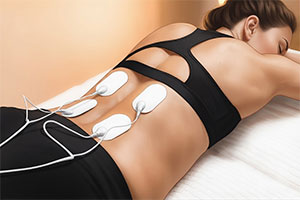
What is Transcutaneous Electrical Nerve Stimulation (TENS)?
Transcutaneous electrical nerve stimulation (TENS) is a non-invasive therapy that uses low-voltage electrical currents to relieve pain. The treatment involves placing electrodes on the skin near the area of discomfort. These electrodes deliver electrical impulses that stimulate the nerves in the targeted region and relieve your pain.
Indications for Transcutaneous Electrical Nerve Stimulation (TENS)
Transcutaneous electrical nerve stimulation (TENS) is often used for managing acute and chronic pain conditions, such as:
- Back and neck pain
- Arthritis or other joint pain
- Muscle pain
- Fibromyalgia
- Neuropathic pain
- Labor pain during childbirth
- Tension headaches or migraines
If you are considering TENS for pain management, consultation with a healthcare provider or physical therapist is recommended to determine if it is suitable for your specific condition.
Contraindications for Transcutaneous Electrical Nerve Stimulation (TENS)
Although transcutaneous electrical nerve stimulation is safe for most individuals, experts recommend some groups of people should be avoided, such as:
- Pregnant women
- People with heart problems
- People with epilepsy
- People with bleeding disorders
- People with cancer
- People with a pacemaker or other types of metal or electrical implant
How Does Transcutaneous Electrical Nerve Stimulation (TENS) Work?
A TENS machine is a small, hand-held, battery-operated portable device that has leads connected to sticky pads called electrodes. When the pads are attached to your skin and the machine is switched on, mild electrical impulses are delivered through the skin to the area of discomfort. You will experience a non-painful buzzing or tingling sensation as the electrical impulses are delivered. The electrical impulses are believed to interfere with the transmission of pain signals to the brain by stimulating sensory nerves, effectively "blocking" the pain. TENS may also stimulate the release of endorphins, the body’s natural pain-relieving chemicals. The frequency, intensity, and duration can be adjusted to suit individual needs.
TENS Device Features:
- Intensity Settings: Adjustable levels of electrical stimulation to suit comfort and therapeutic goals.
- Pulse Frequency: Varying frequencies to target different types of pain (high-frequency for acute pain, low-frequency for chronic).
Safety Instructions for Using Transcutaneous Electrical Nerve Stimulation (TENS)
Do not use transcutaneous electrical nerve stimulation on:
- Any part of the face or head
- Any part of the throat
- Rashes or open wounds
- Inflamed, infected, red, or swollen skin
- Cancerous lesions, or close to them
- Directly on the backbone
- Skin that does not have normal sensation
- Both sides of your trunk or chest at the same time
Benefits of Transcutaneous Electrical Nerve Stimulation (TENS)
Some of the notable benefits of transcutaneous electrical nerve stimulation include:
- Non-invasive
- Easy to use and generally well-tolerated
- Customizable to individual needs
- Non-pharmacological, minimizing reliance on medication
Risks of Transcutaneous Electrical Nerve Stimulation (TENS)
Some of the potential risks associated with transcutaneous electrical nerve stimulation include:
- Uncomfortable sensations
- Skin irritation/redness
- Burns from the electrodes
- Allergic reaction to adhesives


